

*Maternal Mental Health Matters*
Mental health conditions are the most common complication of pregnancy and childbirth, affecting about 1 in 5 pregnant and postpartum individuals in the U.S. each year.
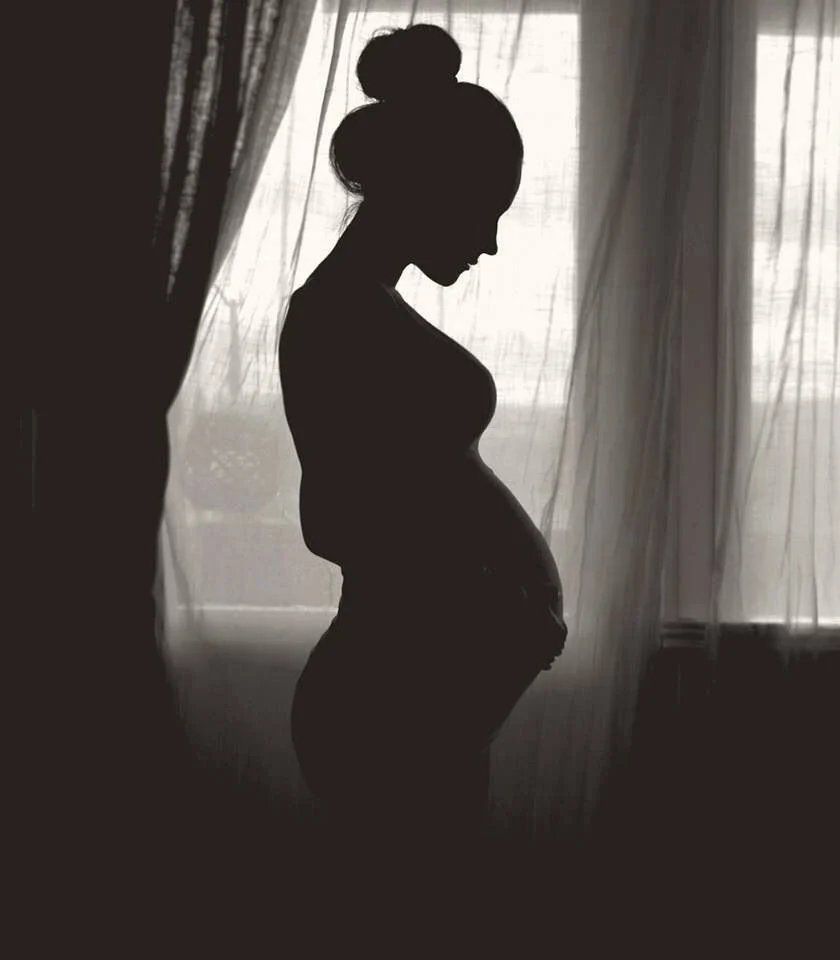
60–80% of patients show symptom improvement with evidence-based perinatal mental health treatment.
Early screening and intervention reduce symptom severity and improve maternal functioning.
Psychotherapy and medication are both clinically effective for perinatal mood and anxiety disorders.
Specialized perinatal mental health care improves treatment response and engagement.
Perinatal Depression: Affects up to 20% of women. Diagnosis rates for postpartum depression (PPD) alone doubled from 9.4% in 2010 to 19.0% in 2021.
Perinatal Anxiety: Impacting 20% of women, with the highest rates (25.5%) occurring during early pregnancy.
Obsessive-Compulsive Disorder (OCD): Prevalence is 8% during the prenatal period and rises to 17% in the postpartum period.
Postpartum Psychosis: A rare but severe medical emergency occurring in approximately 1 to 2 out of every 1,000 deliveries. Birth Trauma/PTSD: Approximately 17% of birthing people experience symptoms of post-traumatic stress following delivery. .


It’s okay to not be okay. It’s OK to ask for help!
Persistent sadness, tearfulness, or low mood
Excessive worry, anxiety, or panic attacks
Irritability or anger
Feeling overwhelmed or unable to cope
Changes in sleep or appetite unrelated to pregnancy or newborn care
Loss of interest or pleasure in usual activities
Difficulty bonding with your baby
Feelings of guilt, shame, or worthlessness
Fatigue or low energy beyond typical postpartum exhaustion
Ruminating or intrusive thoughts
Thoughts of self-harm or harm to your baby (seek immediate help).
Trying to conceive, pregnant, or postpartum and experiencing any of the symptoms below or any mood changes that are affecting your daily life - reach out - support is here!